The Ultimate Guide to Business Signage
Business signage is one of the most powerful marketing tools available to any organisation. Whether you're running a retail store, restaurant, office, warehouse, healthcare facility or professional services business, the right signage can dramatically improve visibility, strengthen your brand and help attract new customers.
Unlike many forms of advertising that require ongoing investment, quality signage works for your business 24 hours a day, seven days a week. A professionally designed sign creates a strong first impression, helps customers find your premises, reinforces brand recognition and communicates professionalism before a customer even walks through the door.
In today's competitive business landscape, signage is far more than simply displaying a company name above a doorway. Modern business signage encompasses everything from illuminated shop fascia signs and vehicle graphics to wayfinding systems, wall graphics, window displays and large-scale architectural signage.
This comprehensive guide explores everything businesses need to know about commercial signage, including the different types available, how to choose the right solution, materials used in modern sign manufacturing, design best practices, planning permission considerations and the benefits of working with an experienced signage company.
Whether you're launching a new business, rebranding an existing location or upgrading outdated signage, this guide will help you make informed decisions and maximise your return on investment.
Quick Links
- Why Business Signage Matters
- When Signage Works Against Your Business
- Building Trust and Credibility
- Increasing Brand Awareness
- Helping Customers Find Your Business
- Types of Business Signage
- How to Choose the Right Signage for Your Business
- Materials Used in Modern Signage
- Indoor vs Outdoor Signage
- Ready to Upgrade Your Shop Signage?
Design Office.
Why Business Signage Matters
Many business owners underestimate the impact signage can have on customer perception and purchasing decisions. In reality, signage often acts as the first point of contact between a business and a potential customer.
Long before someone visits your website, reads online reviews or speaks with a member of your team, they may have already formed an opinion based on the appearance of your signage.
Investing in professional signage isn't simply about displaying your name. It's about creating visibility, establishing trust and building a recognisable brand presence within your local area.
First Impressions Count. First impressions are formed quickly.
Research consistently shows that customers make assumptions about businesses within seconds of seeing them. Your signage plays a major role in shaping those initial perceptions.
When Signage Works Against Your Business
In contrast, faded, damaged or poorly designed signage can create the opposite impression. Customers may subconsciously associate poor signage with poor products, poor service or lack of professionalism. For retail businesses, hospitality venues and customer-facing organisations, this can have a direct impact on footfall and revenue.
Consider two businesses located next door to each other.
One has a professionally designed illuminated fascia sign, attractive window graphics and consistent branding throughout its premises.
The other has a faded sign, inconsistent branding and poor visibility.
Even if both businesses offer similar products or services, customers are naturally more likely to trust and engage with the business that presents itself professionally.
Signage is often the difference between being noticed and being overlooked.
A clean, modern, professionally installed sign immediately communicates:
Building Trust and Credibility
Trust is one of the most important factors influencing customer behaviour.
Professional signage helps build trust by demonstrating that a business is established, organised and invested in its image.
Customers often view signage as an indication of how seriously a business takes its operations.
A company that invests in high-quality branding and signage is often perceived as:
This is particularly important for businesses operating in competitive industries such as:
For newer businesses, signage can help create the appearance of an established and professional organisation from day one.
For existing businesses, updated signage can refresh brand perception and signal growth, investment and progress.
Increasing Brand Awareness
One of the greatest long-term benefits of signage is its ability to build brand awareness.
Unlike digital advertisements that disappear once budgets stop, signage continues generating impressions every day.
Every passing pedestrian, driver or visitor is exposed to your:
Over time, this repeated exposure creates familiarity.
Even if someone doesn’t need your products or services today, they are more likely to remember your business when they do need them in the future.
This concept is known as brand recall.
The more frequently customers see your branding, the stronger that recall becomes.
Businesses located on busy roads, retail parks, industrial estates and high streets can generate thousands of brand impressions every week through effective signage alone.
Helping Customers Find Your Business
One of the most practical functions of signage is helping customers locate and navigate your premises.
While online maps and GPS systems are useful, customers still rely heavily on physical signage to identify locations.
Poor visibility can create frustration and negatively impact customer experience.
Effective signage helps:
This becomes increasingly important for businesses located in:
Wayfinding and directional signage can significantly improve customer satisfaction while reducing staff interruptions caused by visitors asking for directions.
What Are the Different Types
of Business Signage?
Business signage comes in many different forms.
Each type serves a specific purpose and contributes to overall visibility, branding and customer experience.
Understanding the options available helps businesses select the most effective solutions for their goals and budget.
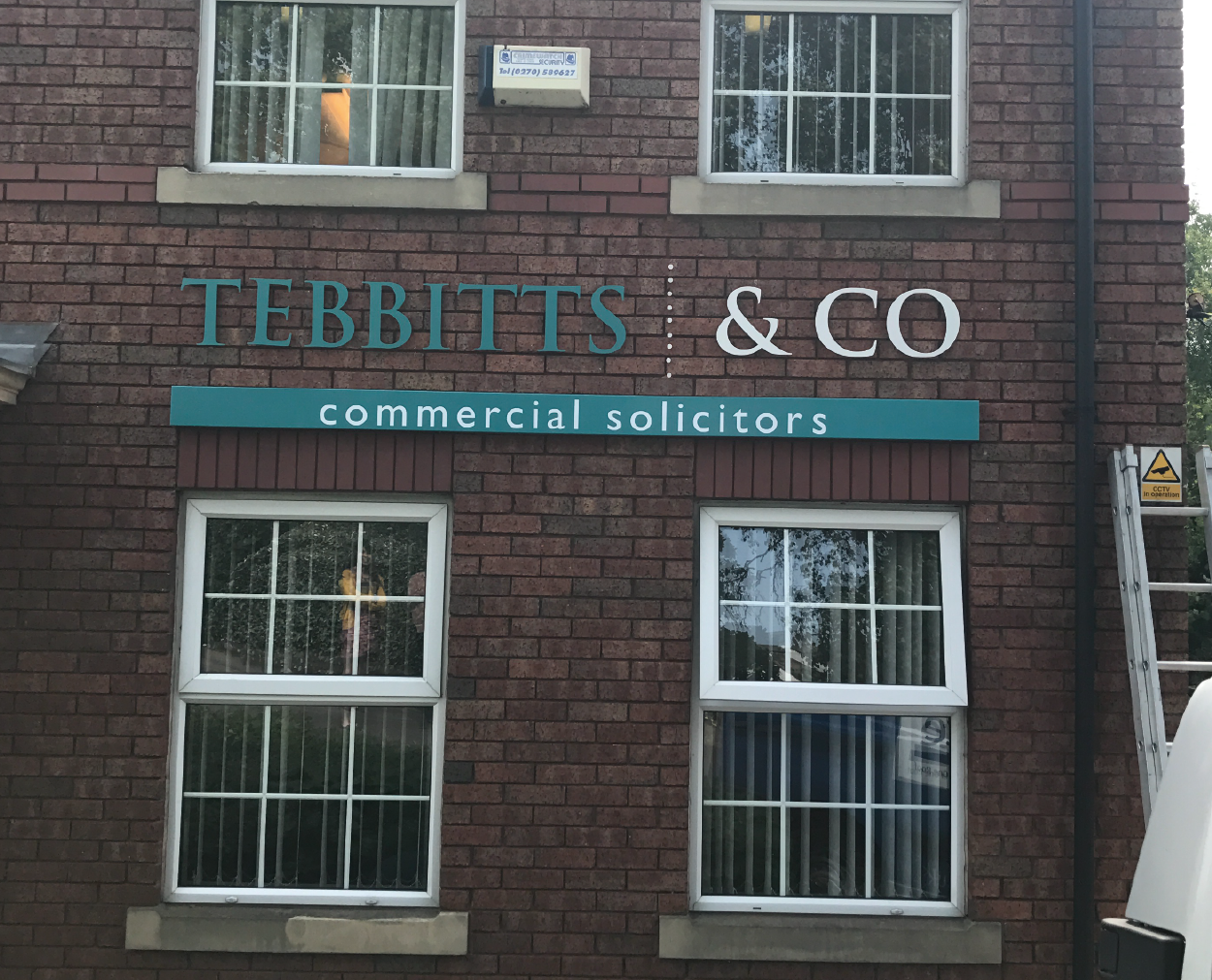
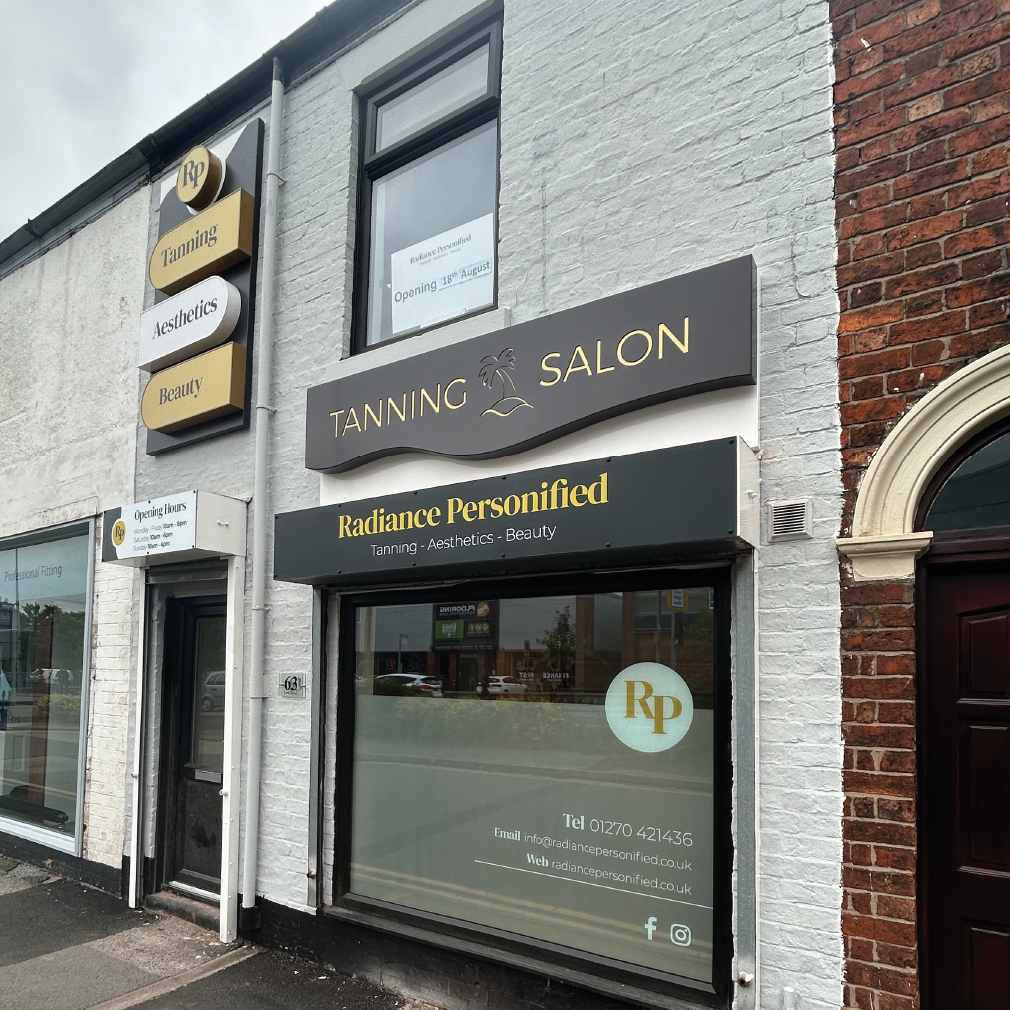
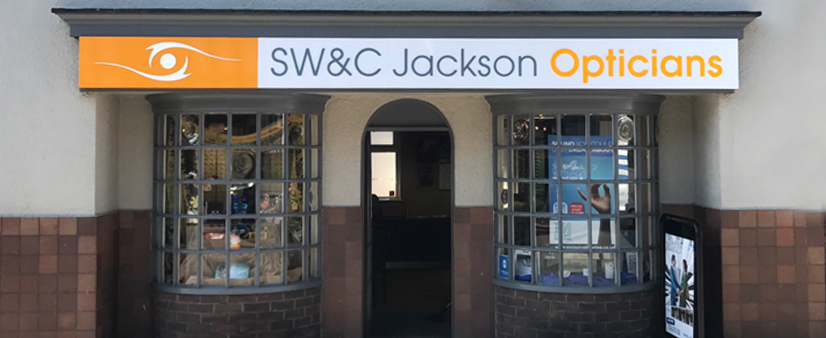
A professionally designed fascia sign creates a strong visual presence and reinforces brand identity.
Retail stores, restaurants, salons, cafes, gyms and professional service providers all benefit from high-quality fascia signage.
The best fascia signs balance visibility, aesthetics and brand consistency to create a lasting impression.

Built-Up Lettering
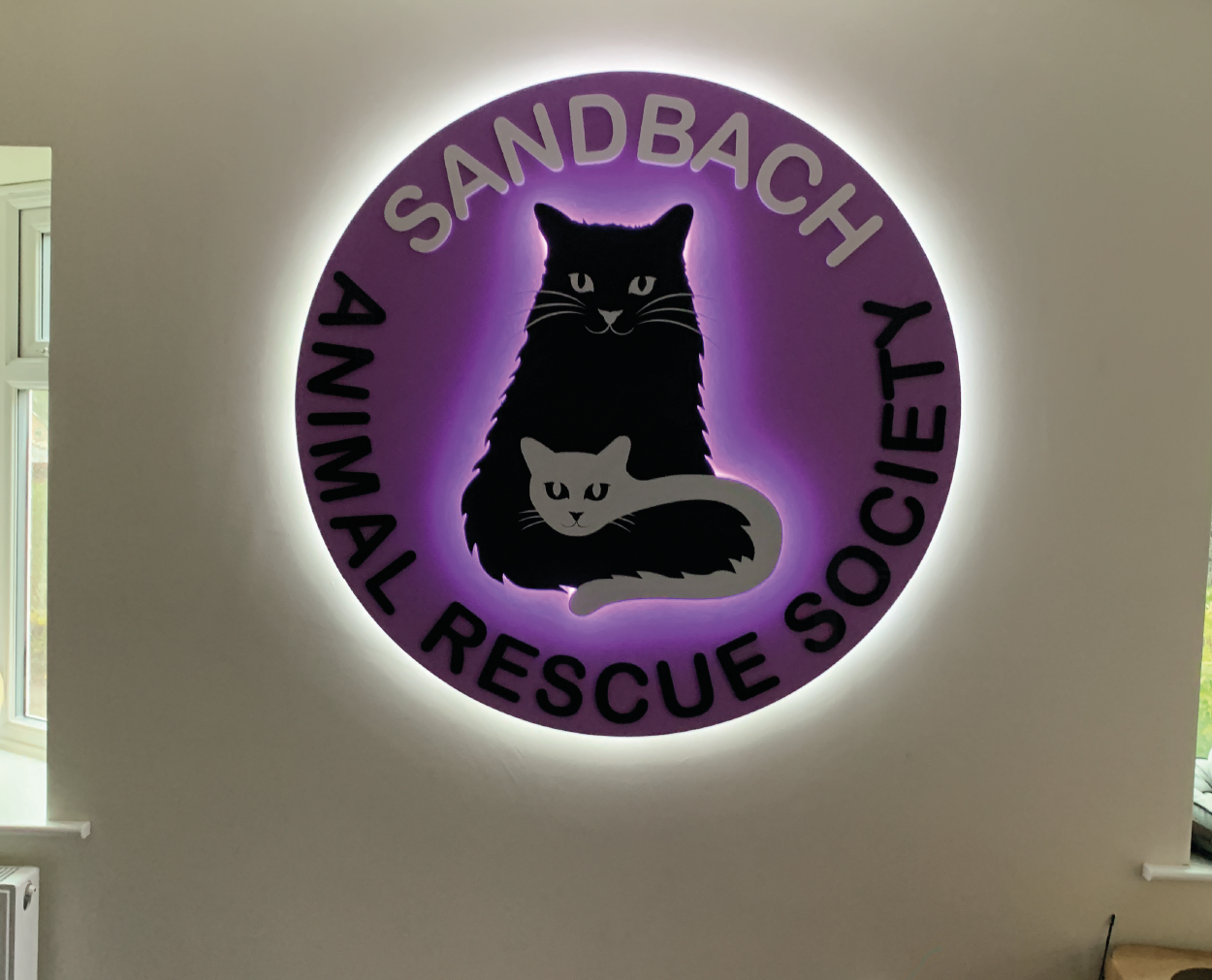
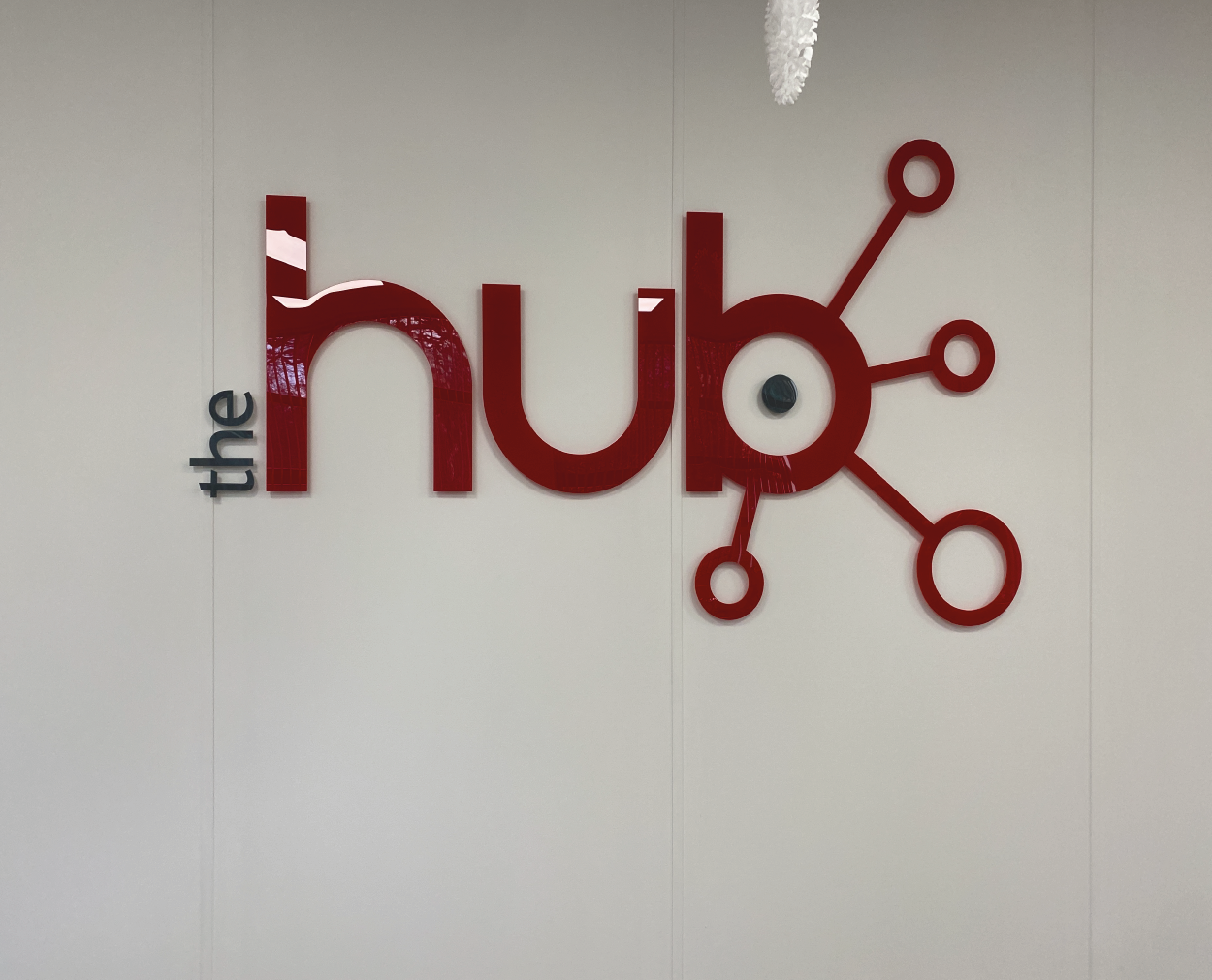
Built-up lettering provides a premium, three-dimensional appearance that adds depth and sophistication to business signage.
Rather than displaying graphics on a flat panel, built-up letters are individually manufactured and mounted to create visual impact.
These letters can be produced from various materials including:
Built-up lettering is particularly popular among:
The three-dimensional appearance creates shadows and depth that enhance visibility while conveying a premium image.
When combined with LED illumination, built-up lettering can create an exceptionally striking visual effect.
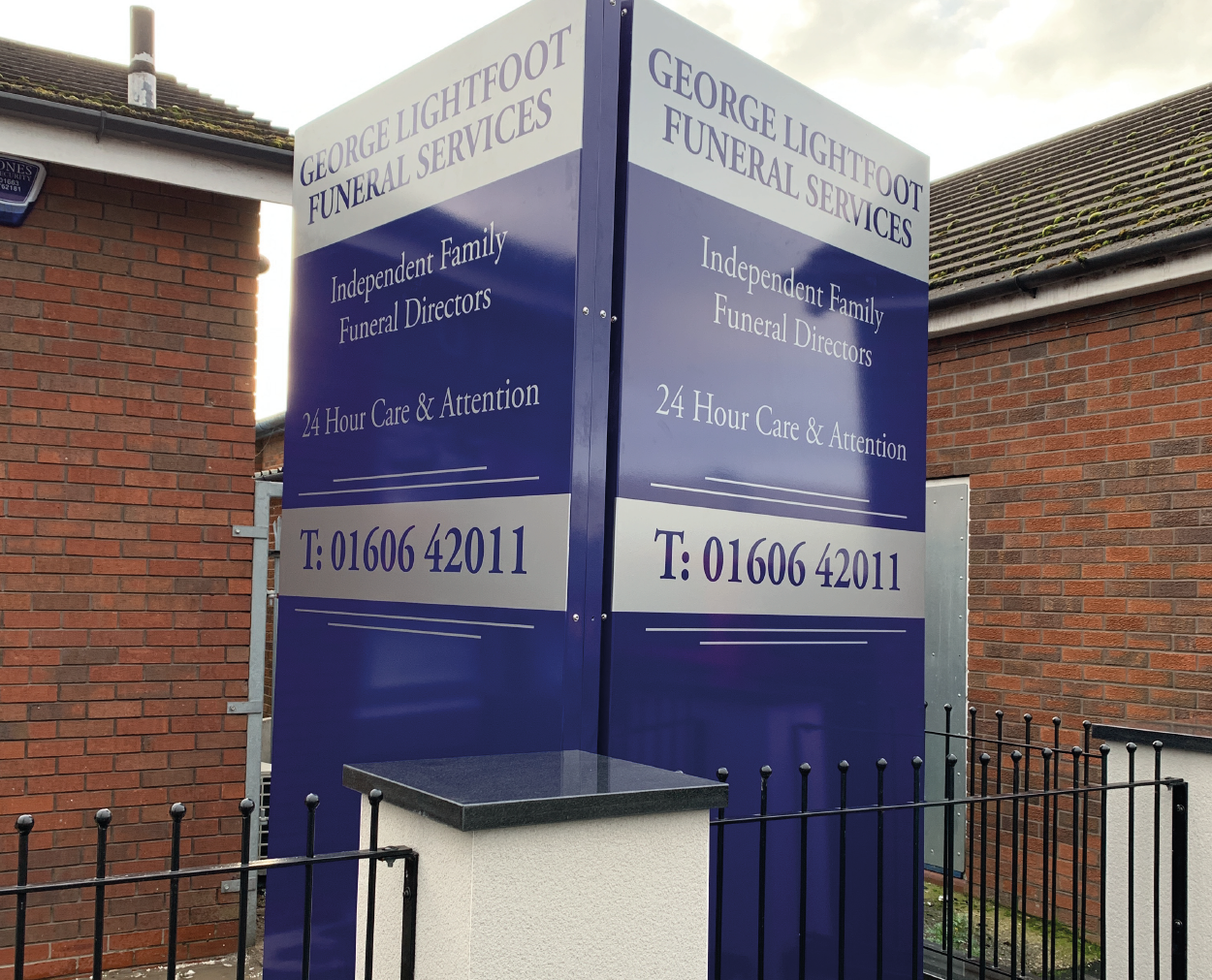
Totem Signs
Totem signs are freestanding structures designed to maximise visibility from greater distances.
They are commonly installed at:
Totem signs often serve multiple purposes.
They can identify a site, display multiple tenant names and provide directional information.
Because of their height and prominence, they are particularly effective for attracting attention from passing traffic.
Businesses located away from main roads often use totem signage to improve visibility and make locations easier to find.

Window Graphics
Window graphics transform glass surfaces into valuable branding and marketing opportunities.
Rather than leaving windows blank, businesses can use graphics to communicate messages and enhance visual appeal.
Common applications include:
Modern vinyl technologies allow for an enormous range of design possibilities.
Options include:
Window graphics are particularly popular among retailers, offices, salons, healthcare providers and hospitality venues.
They provide a cost-effective way to maximise the impact of existing glass surfaces while supporting wider marketing efforts.
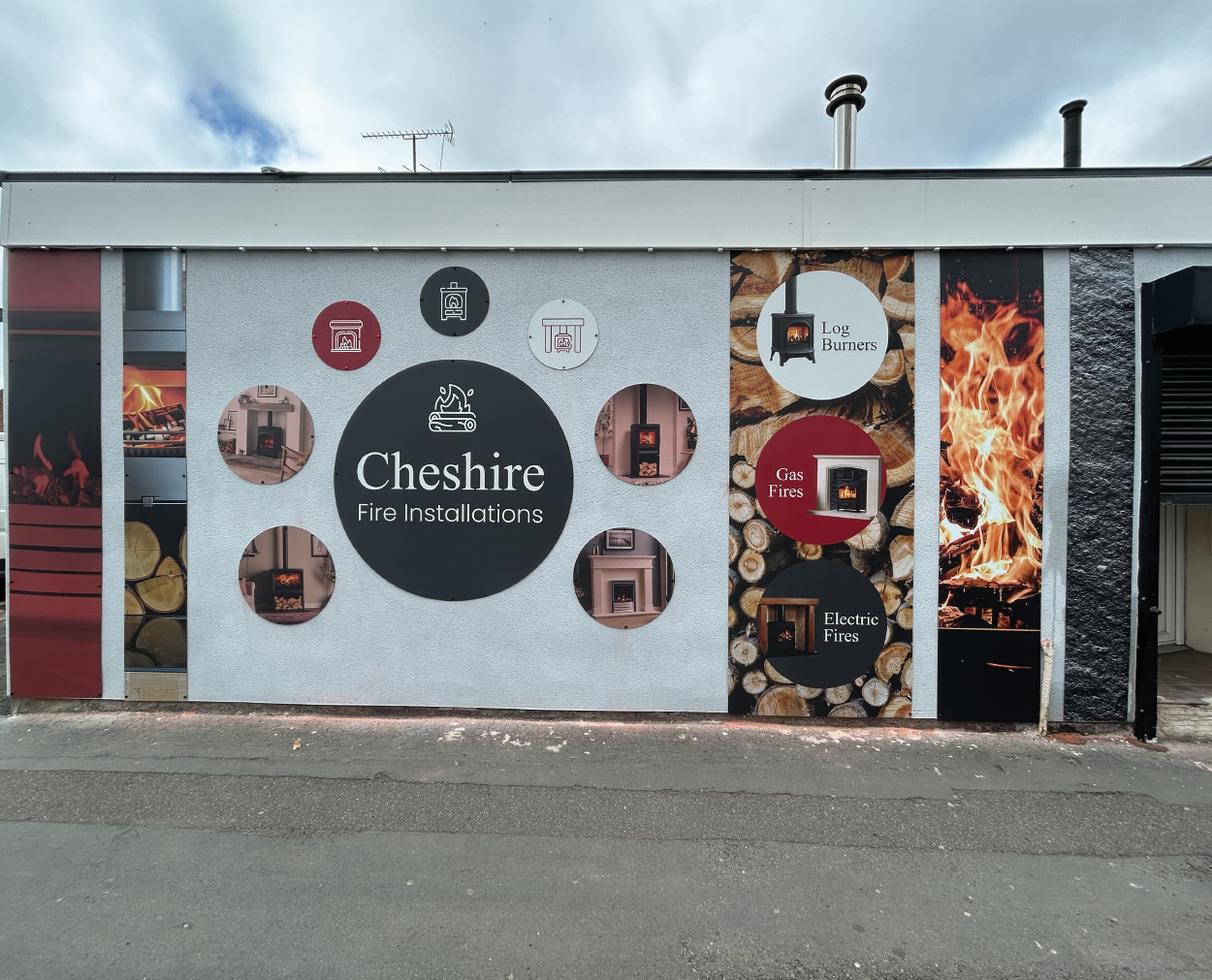
Wall Graphics
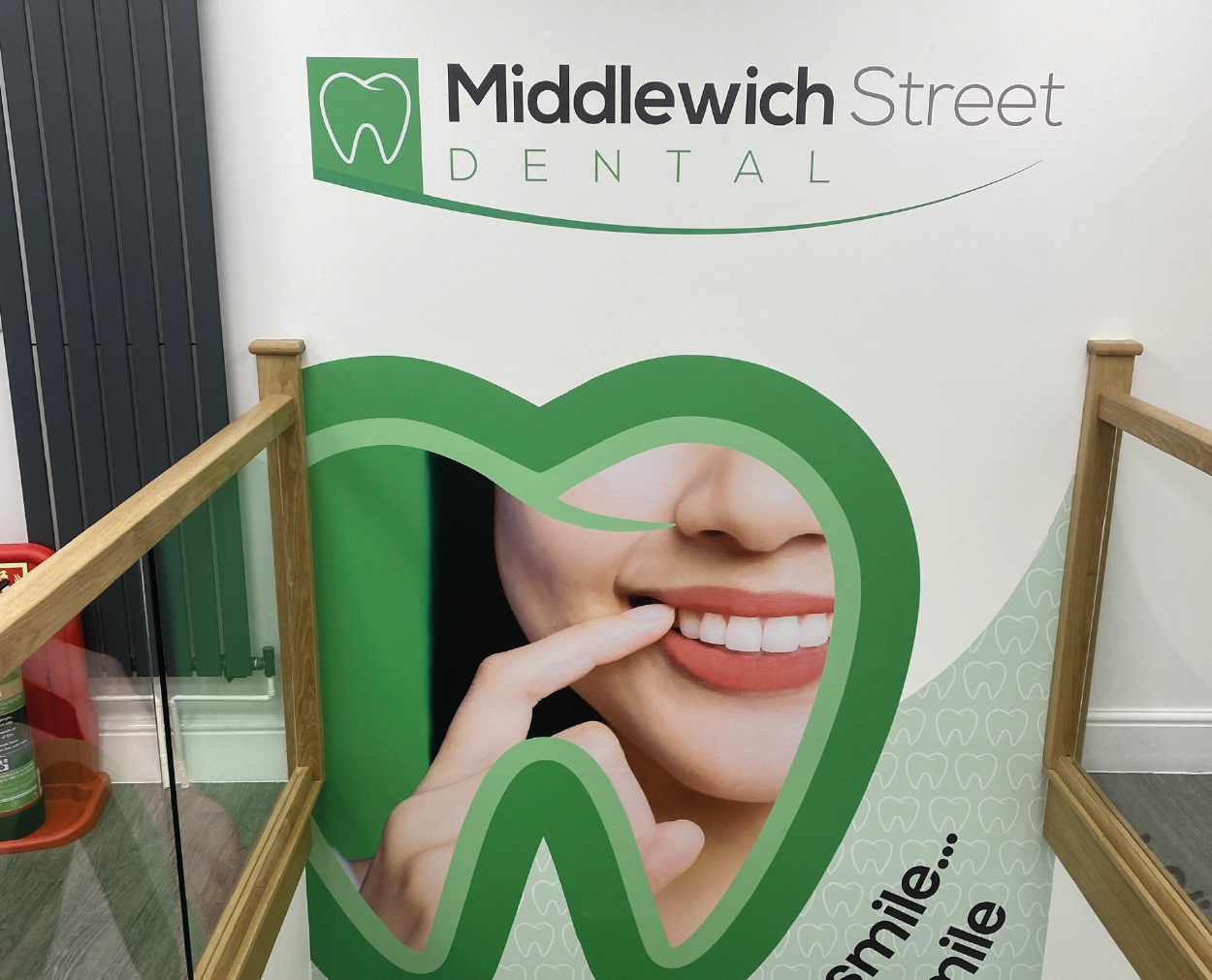
Wall graphics have become increasingly popular as businesses recognise the value of creating engaging and visually appealing interior environments.
Unlike traditional signage that focuses primarily on identification, wall graphics can transform entire spaces while reinforcing branding, communicating key messages and enhancing customer experiences.
Wall graphics are commonly used in:
A well-designed wall graphic can instantly create a more professional and welcoming atmosphere. Businesses often use them to display:
For offices, wall graphics can help reinforce company culture and create a more engaging workplace environment.
Retailers frequently use large-format wall graphics to support product promotions and strengthen their visual merchandising efforts.
Healthcare facilities often utilise wall graphics to create calmer, more welcoming environments for patients and visitors.
Modern printing technology allows wall graphics to be produced in virtually any size, colour or finish, giving businesses complete flexibility when designing their spaces.
Compared to major refurbishment projects, wall graphics offer a relatively cost-effective way to refresh interiors while making a significant visual impact.

Directional and Wayfinding Signs
Wayfinding signage is one of the most overlooked yet important aspects of a successful customer experience.
Visitors who cannot easily find their destination often become frustrated before they even engage with your business.
Effective wayfinding signage helps people navigate environments quickly, safely and confidently.
These systems are commonly used in:
Wayfinding signage can include:
The goal is to provide clear information at the exact moment it is needed.
A successful wayfinding system should feel intuitive and effortless.
Good design principles include:
For large facilities, professional wayfinding systems can significantly improve visitor satisfaction while reducing staff interruptions caused by people asking for directions.
As businesses grow and premises become more complex, investing in effective wayfinding becomes increasingly valuable.
Health & Safety Signage
Health and safety signage plays a critical role in protecting employees, visitors and contractors.
While branding and marketing signage often receives the most attention, safety signage is equally important in many workplaces.
Businesses have a responsibility to communicate hazards and safety information clearly.

Common examples
include:
Many industries rely heavily on safety signage, including:
Effective safety signage should always be:
Health and safety signage serves several purposes:
Businesses should regularly review safety signage to ensure it remains accurate, visible and up to date.
As premises evolve, signage may need to be updated to reflect changes in layouts, procedures or regulations
Vehicle Graphics and Wraps
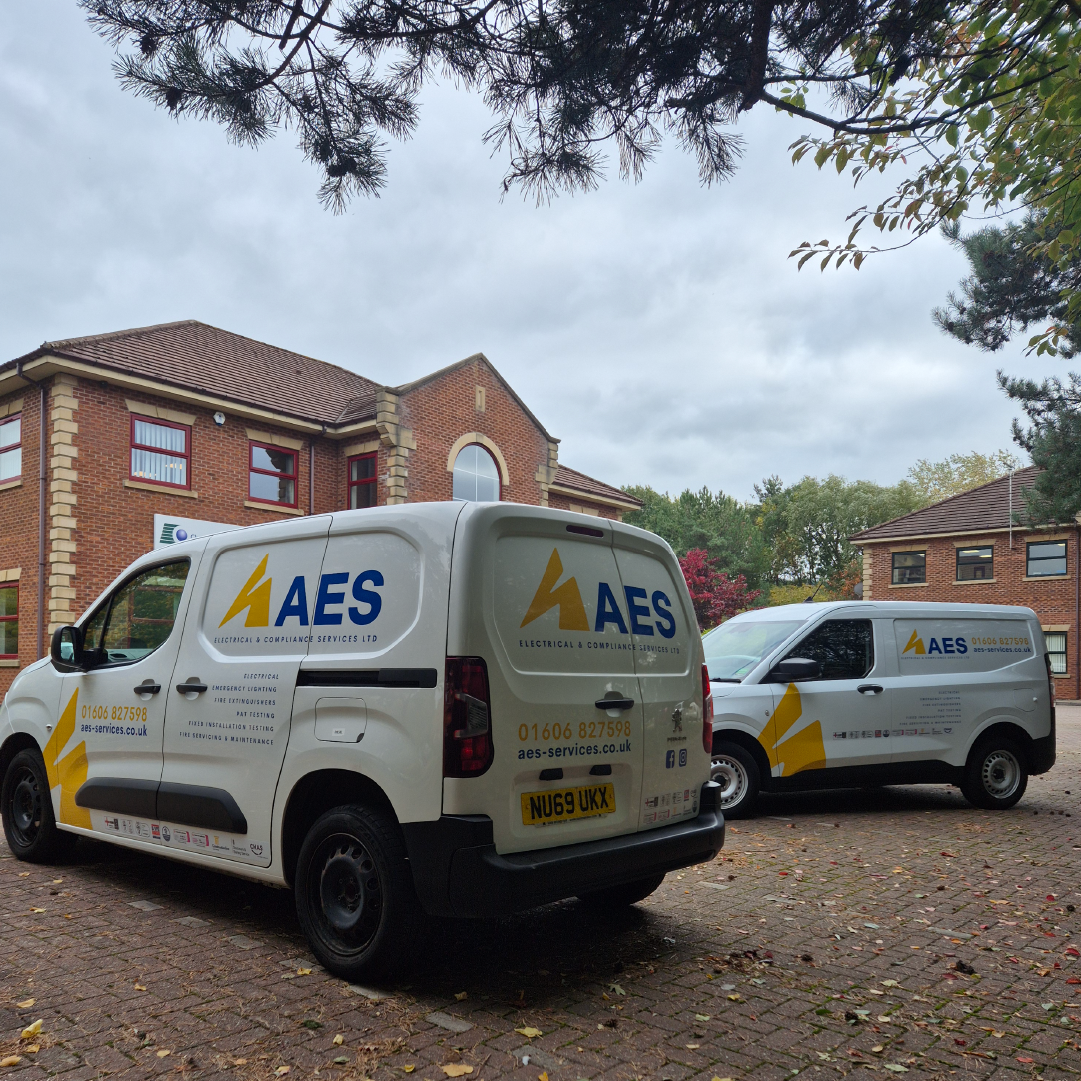
Vehicle graphics are among the most cost-effective forms of advertising available.
Vehicle graphics are among the most cost-effective forms of advertising available.
Unlike many marketing activities that require ongoing monthly investment, vehicle graphics generate visibility every time a vehicle is driven or parked.
For businesses operating company vehicles, branding presents a valuable opportunity to increase exposure within local communities.
Vehicle graphics can be applied to:
Options range from simple logo applications to full vehicle wraps that completely transform the appearance of a vehicle.
This makes them one of the most cost-effective forms of long-term marketing available.
Businesses in sectors such as construction, plumbing, electrical services, landscaping and facilities management frequently benefit from vehicle branding due to the amount of time their vehicles spend on the road.
Exhibition and Event Signage
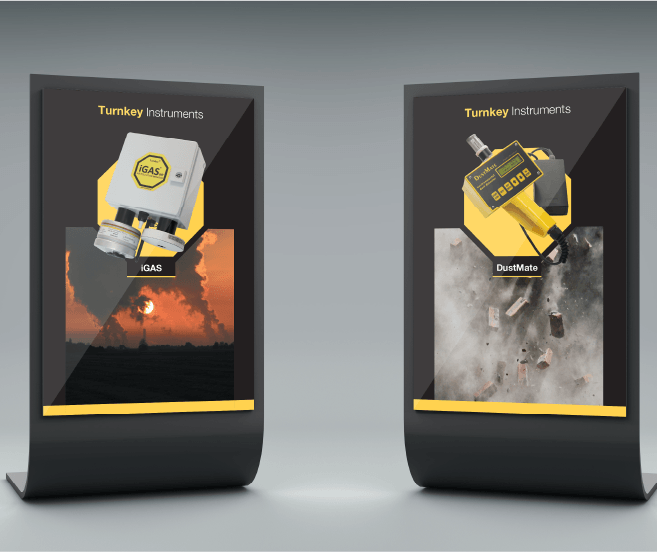
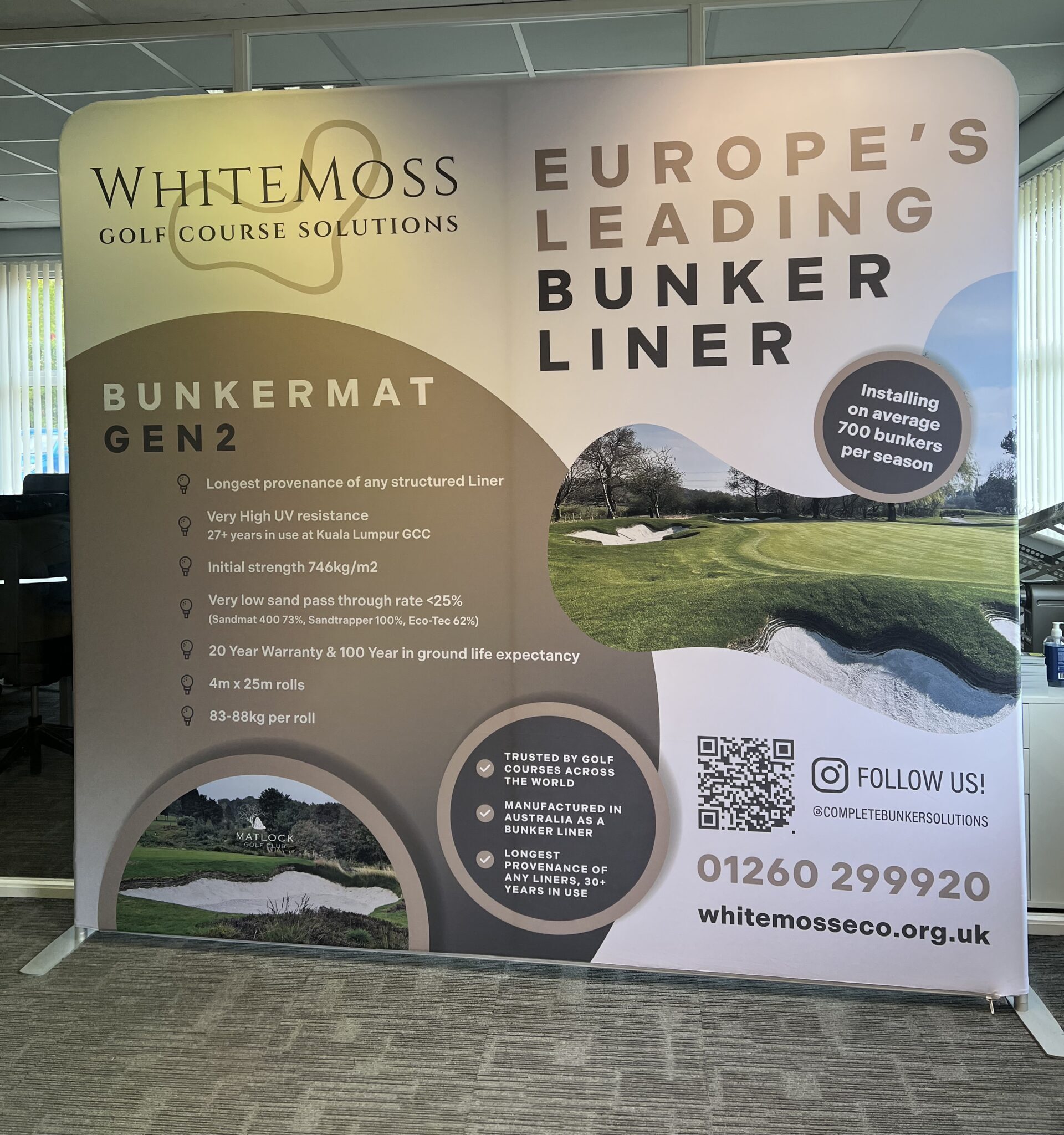
Trade shows, exhibitions and events provide valuable opportunities for businesses to showcase products and services.
However, these environments are highly competitive, making effective signage essential.
Exhibition signage helps businesses:
Common exhibition products include:
Successful exhibition signage focuses on simplicity and visibility.
Visitors often make decisions about whether to engage with a stand within seconds.
Clear messaging, strong branding and impactful visuals can significantly improve event performance.
For businesses that regularly attend exhibitions, investing in high-quality display systems can provide long-term value across multiple events.
How to Choose the Right Signage for Your Business
Choosing signage involves far more than selecting a design that looks attractive.
The most effective signage solutions are those that align with business objectives, customer expectations, location requirements and budget considerations.
Before investing in signage, businesses should evaluate several key factors.
Consider Your Location
Location has a major influence on signage requirements.
A sign that performs well in one environment may be ineffective in another.
For example:
High Street Locations
Businesses on busy high streets often compete for attention among neighbouring stores.
Visibility, branding and window displays become particularly important.
Business Parks
Office environments may require more professional and understated signage solutions.
Wayfinding and directional signage often play a larger role.
Industrial Estates
Industrial units frequently rely on larger signage formats to improve visibility from roads and site entrances.
Totem signs and directional systems are often valuable additions.
Retail Parks
Retail park signage typically focuses on visibility from vehicle traffic and large customer catchment areas.
Understanding how customers approach your premises helps determine the most appropriate signage strategy.
Think About Your Target Audience
Different audiences respond to different visual styles and messaging.
A luxury brand targeting affluent consumers may favour:
Meanwhile, a discount retailer may prioritise:
Understanding customer expectations helps businesses create signage that resonates with their intended audience.
Questions to consider include:
- Who are your customers?
- What impression do you want to create?
- What motivates purchasing decisions?
- What visual styles align with customer expectations?
The answers can significantly influence design decisions.
Match Your Brand Identity
Consistency is one of the foundations of successful branding.
Your signage should align with all other marketing materials, including:
Consistent use of:
helps strengthen recognition and reinforce professionalism.
Customers should immediately recognise your business regardless of where they encounter your brand.
Set a Realistic Budget
Signage should be viewed as a long-term investment rather than simply an expense.
While budget considerations are important, focusing exclusively on the lowest price can lead to poor outcomes.
Businesses should balance:
- Initial cost
- Durability
- Appearance
- Maintenance requirements
- Expected lifespan
Higher-quality signage often provides better long-term value due to improved performance and longevity.

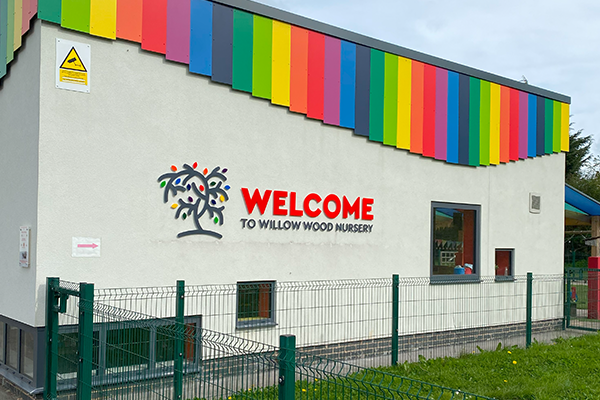
Consider Long-Term Durability
Environmental conditions can significantly affect signage lifespan.
Factors to consider include:
- Sun exposure
- Rain
- Wind
- Temperature fluctuations
- Pollution
- Physical wear
Selecting appropriate materials for the intended environment helps maximise lifespan and reduce maintenance costs.
A sign that looks excellent on installation day should continue performing effectively for many years.
Materials Used in Modern Signage
The materials used in signage manufacturing influence appearance, durability, maintenance requirements and cost.
Understanding the strengths of different materials helps businesses make informed decisions.
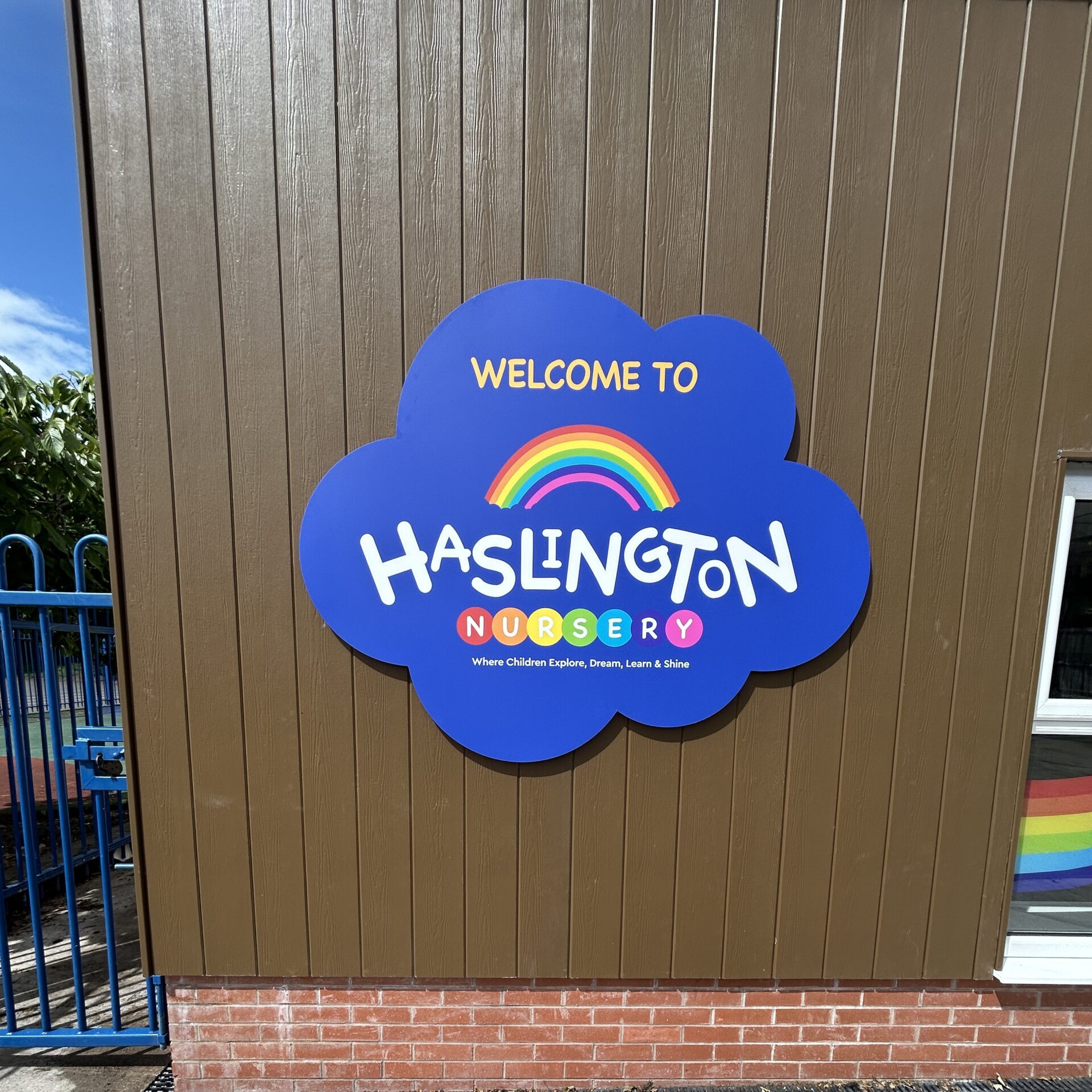
Aluminium Composite (Dibond)
Dibond is one of the most widely used signage materials in the UK.
It consists of a polyethylene core sandwiched between two aluminium faces.
Benefits include:
Dibond is commonly used for:
Its combination of strength and versatility makes it suitable for both indoor and outdoor applications.
Foamex
Foamex is a lightweight PVC foam board that is widely used throughout the signage industry. It is particularly popular for indoor signage, promotional displays and short-to-medium-term applications due to its affordability and versatility.
Businesses frequently choose Foamex for:
- Temporary signage
- Exhibition displays
- Point-of-sale materials
- Indoor wall graphics
- Promotional boards
- Event signage
One of the main advantages of Foamex is its excellent print quality. High-resolution graphics can be printed directly onto the surface, producing vibrant colours and sharp detail.
Foamex is available in various thicknesses, allowing businesses to select the most appropriate option for their intended application.
While it performs well indoors, it is generally not as durable as aluminium composite materials for long-term external use. For businesses seeking cost-effective signage solutions, however, Foamex remains an excellent choice.

Acrylic
Acrylic signage has become increasingly popular due to its premium appearance and versatility.
Often chosen as an alternative to glass, acrylic provides a modern, high-end finish while remaining lightweight and durable.
Common applications include:
Acrylic can be manufactured in various colours, thicknesses and finishes, including:
Many businesses choose acrylic signage because it creates a sleek and professional appearance that reflects positively on their brand.
When combined with stand-off fixings or LED illumination, acrylic signs can create an especially striking visual effect that enhances the appearance of offices, reception areas and customer-facing environments.

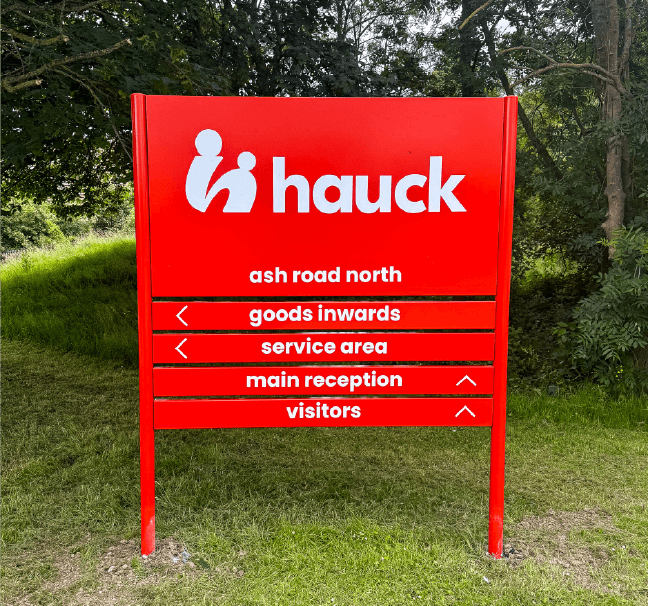
Vinyl
Vinyl is one of the most versatile materials used within the signage industry.
Its flexibility allows it to be applied to a wide variety of surfaces, making it suitable for numerous applications.
These include:
Vinyl graphics offer several advantages:
Modern vinyl technologies have evolved significantly, providing businesses with solutions such as:
Aluminium
Aluminium has long been valued within the signage industry for its strength, durability and resistance to corrosion.
Unlike many alternative materials, aluminium performs exceptionally well in challenging outdoor environments.
It is commonly used for:
Benefits of aluminium signage include:
For businesses seeking signage that will continue performing effectively for many years, aluminium remains one of the most reliable material choices available.
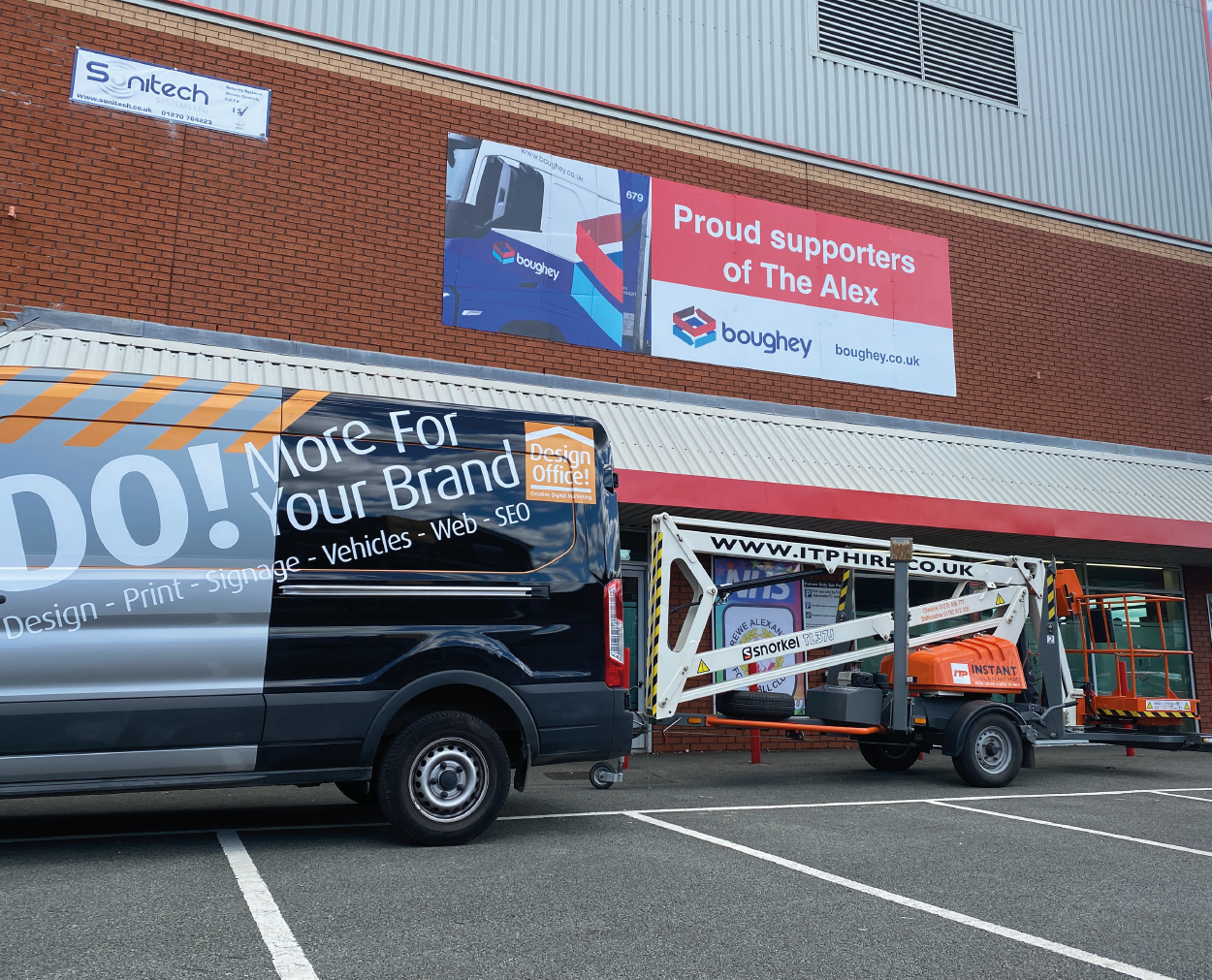

LED Components
LED technology has transformed modern signage.
The majority of illuminated signs now utilise LED lighting due to its efficiency, reliability and performance advantages.
Compared to older lighting systems, LEDs offer:
LED components are commonly used within:
Businesses increasingly favour LED illumination because it provides excellent visibility while helping reduce ongoing operating costs.
For organisations seeking maximum impact both day and night, LED signage offers an ideal solution.
Indoor vs Outdoor Signage
Many businesses focus heavily on external signage while overlooking the importance of interior branding and communication.
In reality, both indoor and outdoor signage play important but distinct roles within a successful customer journey.
Understanding how each contributes to the overall customer experience helps businesses develop a more effective signage strategy.
Benefits of Indoor Signage
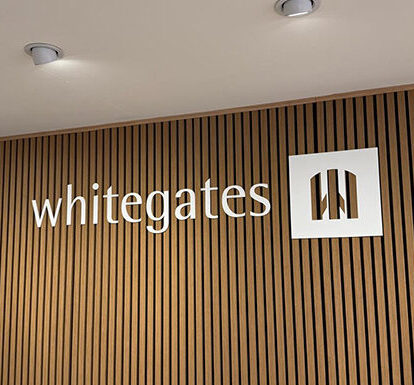
Indoor signage influences how customers experience your premises after entering the building.
While external signs attract attention and encourage visits, internal signage helps reinforce branding, improve navigation and create a professional environment.
Examples of indoor signage include:
For offices, healthcare facilities and educational environments, internal signage often plays a critical role in day-to-day operations.
Benefits of Outdoor Signage
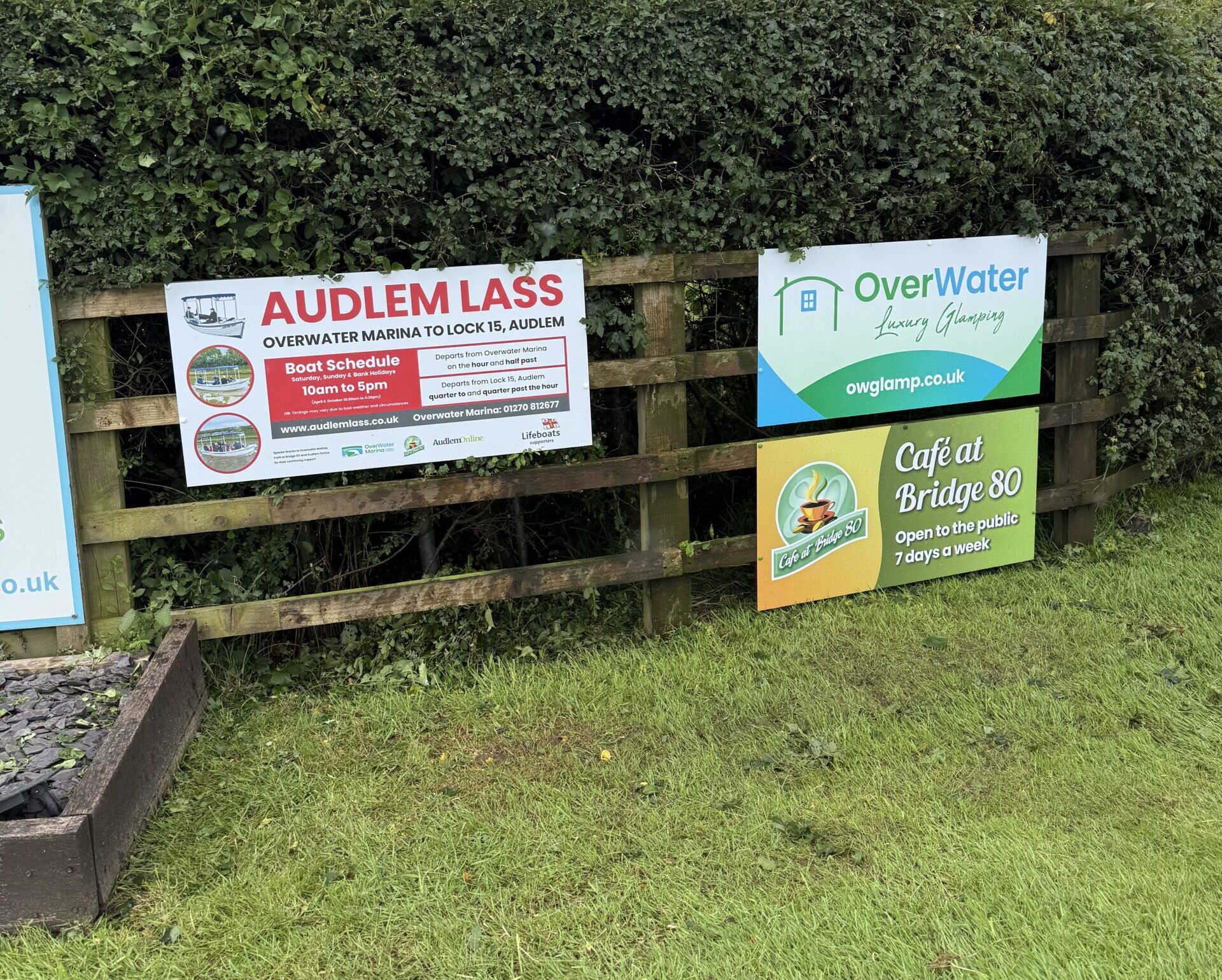
Outdoor signage is often responsible for generating first impressions.
Its primary purpose is to attract attention, communicate identity and help customers locate the business.
Examples of outdoor signage include:
For businesses seeking to increase footfall and local visibility, outdoor signage is often one of the most valuable marketing investments available.

When to Use Both
The most successful signage strategies typically combine indoor and outdoor solutions.
External signage attracts customers.
Internal signage supports the experience once customers arrive.
Together they create a seamless and professional customer journey that reinforces branding at every stage.
Businesses that integrate both elements often benefit from:
- Stronger brand consistency
- Better customer experiences
- Improved navigation
- Greater professionalism
Rather than viewing signage as a single product, organisations should consider it as a complete communication system.
The Benefits of Professional Signage
Professional signage delivers far more than simple identification.
When designed and installed correctly, signage becomes a powerful marketing and branding asset.
Increased Visibility
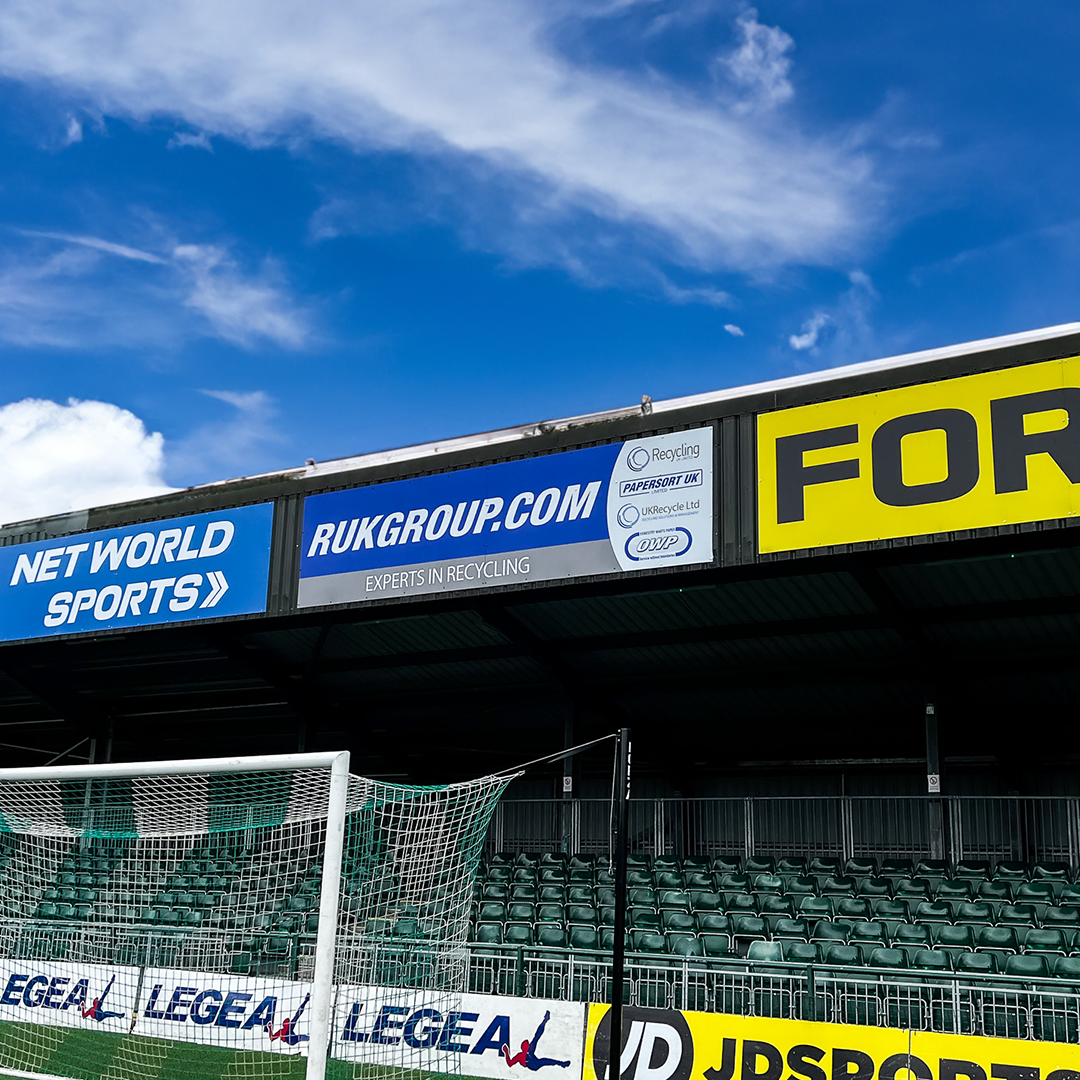
Visibility is one of the primary reasons businesses invest in signage.
No matter how good your products or services may be, customers cannot engage with your business if they do not notice it.
Professional signage helps:
- Capture attention
- Differentiate from competitors
- Increase awareness
- Improve discoverability
This is particularly important in busy commercial environments where businesses compete for customer attention.
Stronger Brand Recognition
Successful brands rely on consistency.
Professional signage reinforces:
- Brand colours
- Logos
- Typography
- Messaging
Over time, repeated exposure strengthens customer familiarity and trust.
The more frequently customers encounter consistent branding, the more likely they are to remember your business when they require your products or services.


Improved Customer Experience
Signage contributes significantly to customer experience.
Effective signage:
- Reduces confusion
- Improves navigation
- Provides useful information
- Enhances accessibility
Visitors who can easily find what they need are more likely to enjoy a positive experience and return in the future.
Cost-Effective Long-Term Marketing
Few marketing channels offer the long-term value of signage.
While advertising campaigns require ongoing expenditure, signage continues generating impressions every day after installation.
For many businesses, signage delivers years of exposure from a single investment.
This makes it one of the most cost-effective forms of marketing available.

Shop Signage Cheshire Businesses Trust
Most successful businesses combine multiple types of shop signage to maximise results. A strong fascia sign for visibility, window graphics for marketing, and illuminated signage for standout presence often deliver the best return on investment.
At Design Office, we provide bespoke shop signage in Cheshire and across the UK, combining creative design with expert manufacturing and professional installation. Our goal is simple – to create signage that attracts attention, increases footfall, and supports long-term business growth.
Ready to Upgrade Your Shop Signage?
If you are looking for shop signage in Cheshire, custom business signage, or a complete signage design and installation service, our team is here to help.
From initial concepts to final installation, we manage the entire process in-house, ensuring high quality, consistency, and results that make an impact.
Get in touch with Design Office today to start your project and create shop signage that helps your business stand out and bring more customers through the door.
Tel: 01270 252106
Email: sales@designoffice.co.uk